
Classic Cars in Darwin
Experienced towing anytime: 24/7 fast response, upfront phone quotes and real NT know-how across city, rural and remote.
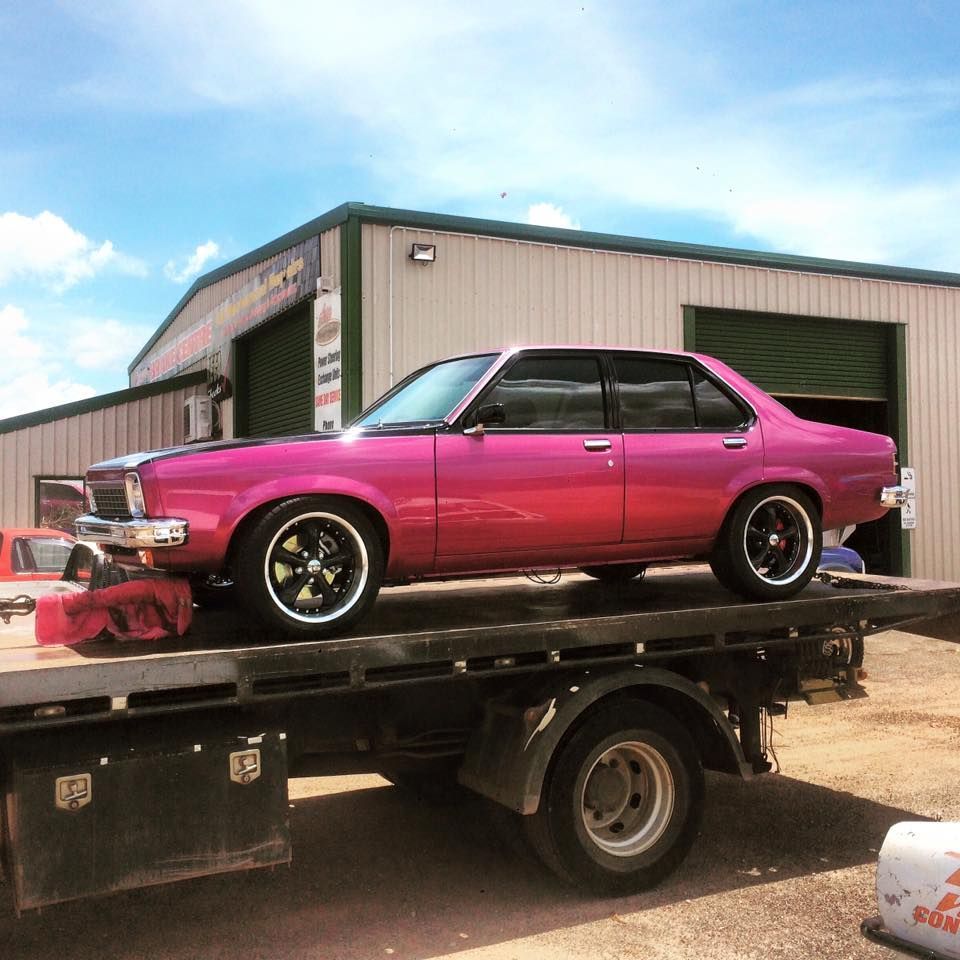
Show-car Safe Transport
Original paint, low splitters and fragile chrome don’t forgive shortcuts. Banjo’s Anytime Towing, operating from Humpty Doo across the Darwin region, moves classic cars with low-angle loading, soft tie-downs and careful winching that protect panels, underbodies and drivetrains. Whether it’s a concours build, survivor or fresh restoration, the focus is preserving condition from pickup to handover.
- Low-clearance ramps and wheel-net tie-downs.
- Steady winch-on, guided unload at destination.
Before loading, the driver confirms clearances, strap points and any quirks like manual chokes, battery isolators or tight exhaust angles. Fenders are protected, overhangs are accounted for, and movements are slow and deliberate. You’ll know when the truck will arrive and exactly where the car will be set down.
Want a white-glove move with zero drama? Call 0408 171 392.
White-glove Loading Methods
Classic transport is all about control. Low-angle ramps reduce approach and break-over risks, while wheel-net tie-downs secure the vehicle without touching paint or trim. Winch speed is kept slow to avoid bounce, and chocks stabilise during deck tilt. Non-runners, locked steering or air-suspension cars are handled with skates, block-ups and careful deck angles to prevent scraping crossmembers, lips or exhausts.
Tell us the model, ride height and destination, and a simple plan is set for a smooth pickup and a precise drop. Book your classic move today and ask any questions you like.
Wheel-net Tie-downs
Soft Fender Covers
Pre-load Photos
Get A Quote
Moving a classic and want it handled right? Share a few details and we’ll map the safest load plan. Tell us pickup, drop-off and any modifications—we’ll sort the rest.
Thank you for contacting Banjo's Anytime Towing.
We will get back to you as soon as possible.
Oops, there was an error sending your message.
Please try again later.
FAQs
How should a classic be prepared before transport?
Remove or secure loose items like hubcaps, scripts and trim rings, and stow them inside the cabin. Set tyre pressures to normal road levels, check for fluid leaks and note any very low lips or side-exit exhausts. If fitted, switch off alarms and confirm the location of battery isolators, choke or fuel-cut switches. Quick photos of current condition are useful for your records and help the operator plan strap placement.
What tie-down points best protect paint and bodywork?
For most classic cars, wheel-net tie-downs are preferred because they secure the vehicle via the tyres, not the chassis or axles. Where chassis points must be used, only rated locations should be selected and soft straps with protectors prevent abrasion. Chains and axle wraps are generally avoided on restored components. Fender covers and padding help keep bumpers, guards and brightwork safe during loading.
Is weather protection needed during an open-deck move?
A snug car cover can flap and mark paint at highway speeds, so it’s usually better to leave it off during transport. Instead, operators protect high-risk edges with padding and keep speeds smooth during load and unload. If rain is expected, ask for timing that avoids the worst of the weather or temporary panel wraps on vulnerable lips and splitters. Dry the car after unloading to prevent water spotting on polished finishes.



