How To Know When You Need Heavy Duty Towing Vs Standard Towing
Breaking down on the road is stressful enough without having to guess what kind of towing help you actually need. Many drivers assume that all towing services are the same, only to find out later that the wrong type of tow can cause delays, extra costs or safety concerns. The difference between standard towing and heavy towing is not always obvious at first glance, especially if you are dealing with an unexpected vehicle issue or managing a commercial fleet.
Understanding how towing services are classified helps you make quicker decisions and reduces the risk of complications during recovery. From vehicle size and weight to road conditions and load requirements, there are clear indicators that point to one type of tow over the other. Knowing these differences ahead of time allows private vehicle owners to communicate clearly when requesting assistance and helps avoid unnecessary setbacks.
Understanding the Basics of Standard Towing
Standard towing generally applies to everyday passenger vehicles and light commercial vehicles. This type of towing is commonly used for breakdowns, minor accidents, flat tyres or vehicles that cannot be safely driven but are still within standard weight limits.
Standard towing typically involves equipment designed for lighter loads and straightforward recoveries. It is often suitable for situations where the vehicle remains largely intact and can be easily connected to the tow truck.
Common examples include:
- Passenger cars such as sedans, hatchbacks & small SUVs
- Light utes & vans under standard weight limits
- Vehicles with mechanical faults that prevent driving
- Minor collision recoveries where wheels can still roll
Standard towing services are designed to address everyday roadside issues without the added complexity that comes with heavier or specialised vehicles.
What Qualifies as Heavy Duty Towing
Heavy towing is used for larger, heavier or more complex vehicles that exceed the capacity of standard towing equipment. This includes vehicles with significant weight, unusual dimensions or loads that require extra handling considerations.
Heavy towing often involves specialised tow trucks, reinforced equipment and additional planning to manage the recovery safely. It is commonly required for commercial, industrial or infrastructure-related vehicles.
Situations that may require heavy towing include:
- Trucks, buses & coaches
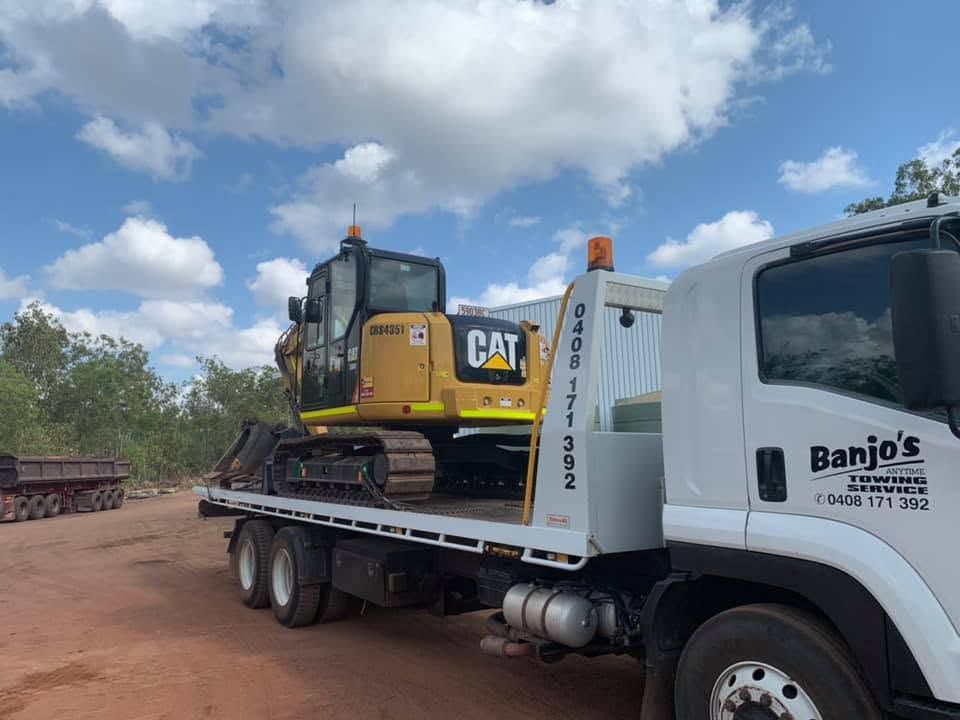
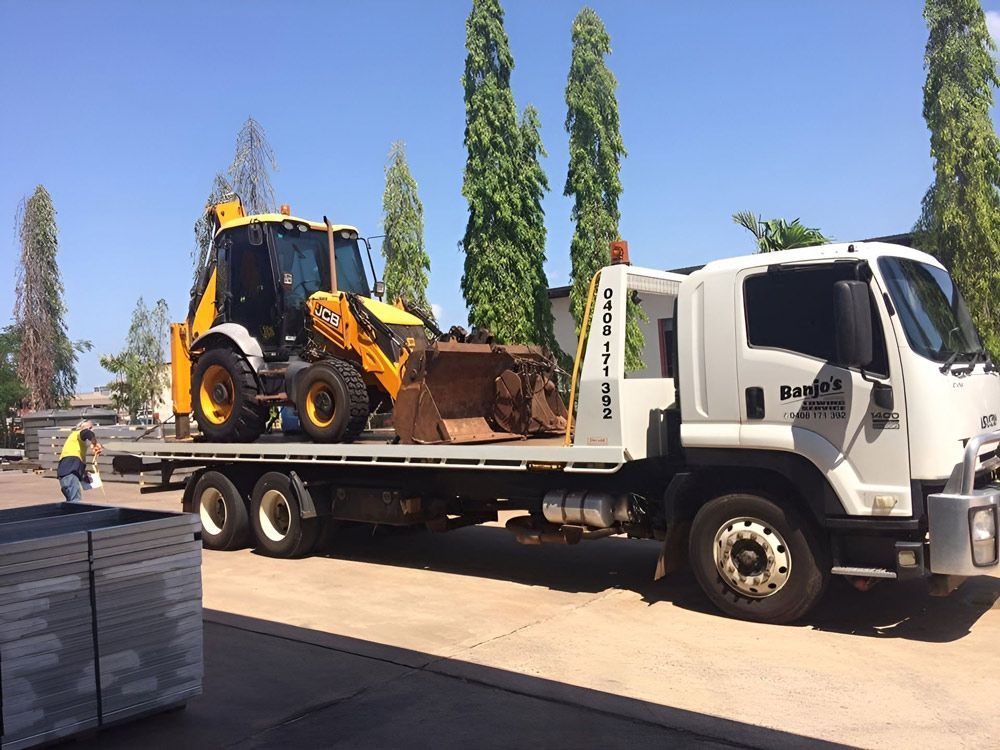
- Large machinery or plant equipment
- Vehicles carrying heavy loads
- Rollovers or off-road recoveries involving large vehicles
Heavy towing is not limited to accidents. It is also used for vehicle relocations, breakdowns and transport of non-operational heavy vehicles.
Vehicle Size & Weight as Key Decision Factors
One of the most important factors in choosing between standard towing and heavy towing is the size and weight of the vehicle involved. Towing equipment has defined limits, and exceeding them can create safety risks during recovery or transport.
Standard towing vehicles are built to handle lighter loads, while heavy towing units are designed to manage significantly higher weights and larger frames. Even if a vehicle looks similar in size to a standard car, modifications or cargo can change its towing requirements.
Factors to consider include:
- Gross vehicle mass, including cargo or equipment
- Vehicle length, height & width
- Presence of trailers or attachments
- Load distribution & balance
Understanding these details helps towing operators select the appropriate equipment from the start, reducing the chance of delays.
The Role of Vehicle Condition & Damage
The condition of the vehicle also plays a role in determining the type of towing required. A vehicle that cannot roll freely, has locked wheels or has structural damage may require heavier equipment even if it is not particularly large.
Severe damage can make recovery more complex and may call for additional support vehicles or lifting systems. In these cases, heavy towing equipment allows for safer handling and controlled movement.
Examples where condition influences towing choice include:
- Vehicles with collapsed suspensions
- Fire or flood-damaged vehicles
- Rollovers with compromised frames
- Vehicles stuck in difficult positions
Assessing damage accurately helps avoid underestimating the towing needs.
Road, Terrain & Access Considerations
The environment surrounding the breakdown or accident site can affect the type of towing service required. Tight access points, uneven ground or soft surfaces can complicate recovery even for smaller vehicles.
Heavy towing equipment may be used in challenging environments where extra stability or reach is needed. This is especially relevant in industrial areas, construction zones or undeveloped roads.
Environmental factors that influence towing choice include:
- Narrow or restricted access points
- Unsealed or unstable road surfaces
- Steep inclines or embankments
- Confined spaces such as loading docks
Considering these factors helps towing operators plan a recovery that suits the situation rather than relying solely on vehicle size.
Commercial & Fleet Vehicles vs Private Cars
Private vehicle owners often deal with standard towing needs, while businesses operating fleets are more likely to encounter situations requiring heavy towing. Commercial vehicles tend to be larger, carry loads or operate in conditions that increase recovery complexity.
Fleet managers may need to arrange heavy towing for scheduled relocations, breakdowns or accident recovery. These situations often involve coordination, load management and compliance considerations.
Differences between private and commercial towing needs include:
- Vehicle purpose & usage patterns
- Frequency of towing requirements
- Presence of specialised equipment or cargo
- Operational downtime considerations
Understanding these differences helps both private drivers and businesses request the correct towing service from the outset.
Safety & Legal Factors to Keep in Mind
Using the correct type of towing is not just about convenience. There are safety and legal considerations that come into play when recovering vehicles on public roads. Incorrect towing methods can create hazards for other road users and may not align with transport regulations.
Heavy towing equipment is designed to manage higher loads in a controlled manner, reducing the risk of instability during transport. Matching the towing method to the situation supports safer outcomes for everyone involved.
Key considerations include:
- Load restraint & balance
- Road clearance & visibility
- Compliance with towing regulations
- Minimising disruption to traffic
Being clear about towing requirements helps reduce the chance of complications during recovery.
Choosing the Right Towing Service from the Start
When requesting towing assistance, providing clear and accurate information makes a difference. Describing the vehicle, its condition and the surrounding environment allows the towing provider to determine whether standard towing or heavy towing is required.
Private vehicle owners benefit from understanding these distinctions so they can communicate confidently when seeking help. This reduces uncertainty and supports a smoother recovery process.
Helpful details to share include:
- Vehicle make, model & approximate weight
- Nature of the issue or damage
- Location & access conditions
- Whether the vehicle is loaded or modified
Taking a few moments to assess the situation can save time and reduce stress later.
Get in Touch
At Banjo’s Anytime Towing, we understand that choosing the right towing option can feel unclear, especially when you are dealing with roadside stress or unexpected vehicle issues. If you are unsure whether your situation calls for standard towing or heavy towing, our team can talk through your circumstances and help you request the right type of assistance for your needs. Visit our website to get in touch and discuss towing services Darwin drivers rely on, particularly in conditions where long distances, heat and varied road environments can add extra challenges to vehicle recovery.