Heavy Duty Towing Explained: What Happens Behind The Scenes When Moving Trucks, Machinery & Oversized Loads
When a large vehicle breaks down or heavy machinery needs to be relocated, the process behind moving it is far more complex than a standard tow. Heavy-duty towing involves specialised equipment, careful planning and strict safety procedures to ensure everything is transported securely. For fleet managers, transport operators and business owners, understanding how heavy towing works can make it easier to respond quickly when issues arise and minimise downtime across operations.
What Is Heavy Duty Towing & When Is It Required?
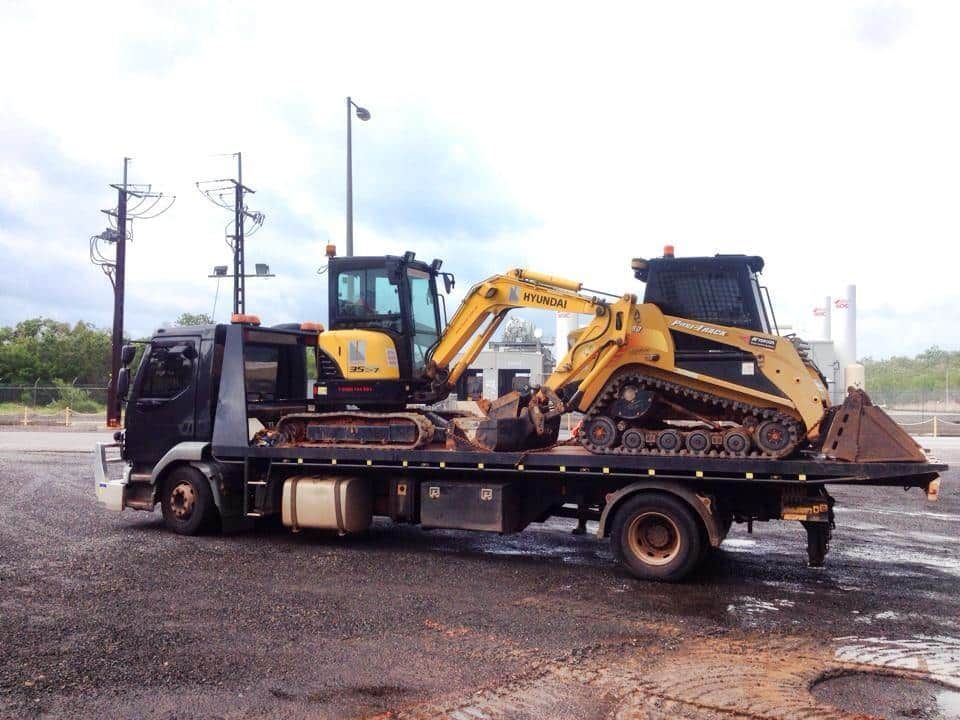
Heavy-duty towing refers to the recovery and transport of large vehicles and equipment that exceed the capacity of standard tow trucks. This includes prime movers, buses, trailers, earthmoving machinery and other oversized loads that require specialised handling.
Situations where heavy-duty towing is required often include:
- Breakdowns involving trucks, buses or commercial fleets on highways or job sites.
- Accidents where large vehicles need recovery and transport from the scene.
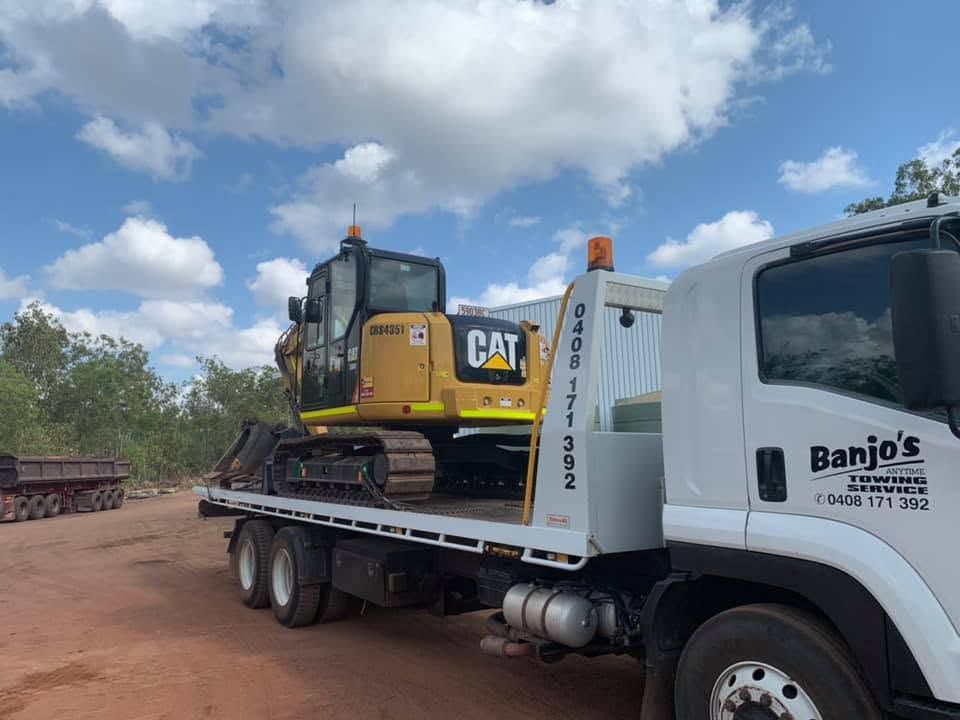
- Planned relocations of machinery or oversized equipment between sites.
Understanding when heavy towing is needed helps businesses act quickly and arrange the right support without delay.
Assessing the Job Before Any Equipment Moves
Before any towing begins, a detailed assessment is carried out to determine the safest and most efficient way to handle the job. Each situation presents different challenges depending on the size of the vehicle, location, load weight and surrounding conditions.
During the assessment stage, operators will typically consider:
- The weight, dimensions and condition of the vehicle or machinery being moved.
- Site access, road conditions and any obstacles that may affect recovery.
- The type of equipment required to complete the job safely.
A thorough assessment ensures the right approach is used from the start, reducing the risk of complications during the tow.
Specialised Equipment Used in Heavy Duty Towing
Heavy-duty towing relies on purpose-built equipment designed to handle extreme loads. Unlike standard tow trucks, these vehicles are engineered to lift, stabilise and transport large assets without causing further damage.
Key equipment commonly used includes:
- Heavy-duty tow trucks with underlift systems capable of lifting large axles and frames.
- Rotator trucks that provide lifting power and flexibility for complex recoveries.
- Low loaders or tilt trays designed to carry machinery and oversized equipment.
Using the correct equipment ensures the load remains stable and secure throughout the entire process.
Recovery Techniques for Trucks & Machinery
Recovering large vehicles or machinery often involves more than simply attaching and towing. In many cases, vehicles may be off-road, damaged or positioned in a way that requires careful repositioning before transport can begin.
Operators may use a range of techniques, such as:
- Winching vehicles from difficult positions, including ditches or uneven terrain.
- Stabilising loads before lifting to prevent shifting or imbalance.
- Coordinating multi-vehicle recoveries for larger or more complex jobs.
These methods allow operators to handle challenging scenarios while protecting both the load and surrounding environment.
Planning the Transport Route
Once the vehicle or equipment is secured, the next step is planning how it will be transported. Route selection is a critical part of heavy-duty towing, especially when dealing with oversized loads that may be subject to restrictions.
Transport planning often involves:
- Identifying suitable roads that can accommodate the size and weight of the load.
- Checking for height restrictions, bridges or narrow access points.
- Coordinating timing to avoid peak traffic periods where possible.
A well-planned route reduces delays and helps ensure the load reaches its destination safely.
Safety Measures During Heavy Towing Operations
Safety is a central consideration throughout every stage of a heavy towing job. Moving large vehicles and equipment presents risks that must be managed through proper procedures and equipment handling.
Key safety measures include:
- Securing loads using chains, straps and stabilisation systems designed for heavy transport.
- Conducting pre-transport checks to confirm all connections and equipment are in place.
- Maintaining clear communication between operators throughout the process.
Following these steps helps reduce the likelihood of incidents during recovery and transport.
Understanding Regulations & Compliance Requirements
Heavy-duty towing operations are subject to regulations that govern how oversized and heavy loads are transported. These requirements vary depending on the location, type of load and route being used.
Compliance considerations may include:
- Permits for transporting oversized or overweight loads on public roads.
- Escort vehicles for loads that exceed standard dimensions.
- Adhering to road authority guidelines and safety standards.
Meeting these requirements is essential to avoid delays and ensure the job proceeds without issue.
Coordinating with Fleet Managers & Operators
Clear communication between towing operators and businesses plays an important role in keeping operations running smoothly. Whether it is a breakdown or a scheduled move, coordination helps ensure everyone understands the timeline and requirements.
Effective coordination often involves:
- Providing updates on arrival times, progress and expected completion.
- Confirming site access and any specific handling instructions.
- Aligning with business schedules to minimise disruption.
Good communication helps reduce uncertainty and keeps operations moving forward.
Minimising Downtime & Operational Impact
For businesses that rely on heavy vehicles or machinery, downtime can quickly affect productivity and revenue. A well-managed towing process helps reduce delays and get assets back where they are needed as soon as possible.
To minimise disruption, heavy towing services aim to:
- Respond quickly to breakdowns or urgent recovery situations.
- Use efficient methods to reduce time spent on-site.
- Deliver equipment safely and ready for the next stage of use or repair.
Keeping downtime to a minimum helps businesses maintain continuity and meet operational demands.
Why Experience Matters in Heavy Duty Towing
Handling large vehicles and machinery requires a high level of coordination, planning and technical understanding. Each job presents unique challenges that must be managed carefully to avoid damage or delays.
Working with a capable towing provider means:
- Access to the right equipment for a wide range of towing scenarios.
- Operators who understand how to manage complex recoveries.
- A structured approach that prioritises safety and efficiency.
This combination supports smoother outcomes across both emergency and planned towing jobs.
What to Expect When You Call for Heavy Duty Towing
When a heavy towing service is engaged, the process typically begins with gathering key information about the situation. This allows operators to prepare the right equipment and approach before arriving on site.
You can expect the process to include:
- Initial questions about the vehicle, location and condition of the load.
- Dispatch of suitable equipment based on the job requirements.
- On-site assessment followed by recovery and transport planning.
Knowing what to expect can help businesses provide the right details and speed up the response.
Moving Large Loads with Confidence
Heavy towing plays an essential role in keeping transport and construction operations moving. From breakdown recovery to machinery relocation, each job requires planning, equipment and attention to detail to ensure everything is handled correctly.
At Banjo’s Anytime Towing, we support businesses with heavy-duty towing solutions designed to handle trucks, machinery and oversized loads across a range of conditions. Whether you are managing a fleet or coordinating a one-off move, get in touch with our team to discuss your requirements and arrange the right support for your next job.