Machine & Heavy Equipment Relocation in the NT: What You Need to Know
Moving plant, farm equipment or heavy machinery is very different from arranging a standard vehicle tow. Weight, dimensions, loading method, route access and securing all need to be considered before anything moves. For operators organising towing in Darwin, the key is matching the transport setup to the machine and destination rather than treating every job the same. Whether the equipment is heading between farms, construction sites, workshops or remote properties, good planning helps reduce delays and makes the move easier to manage from the start. Providing accurate machine details before booking also gives the operator a better chance of arriving with the right equipment first time.
What Counts as Machine & Heavy Equipment Relocation
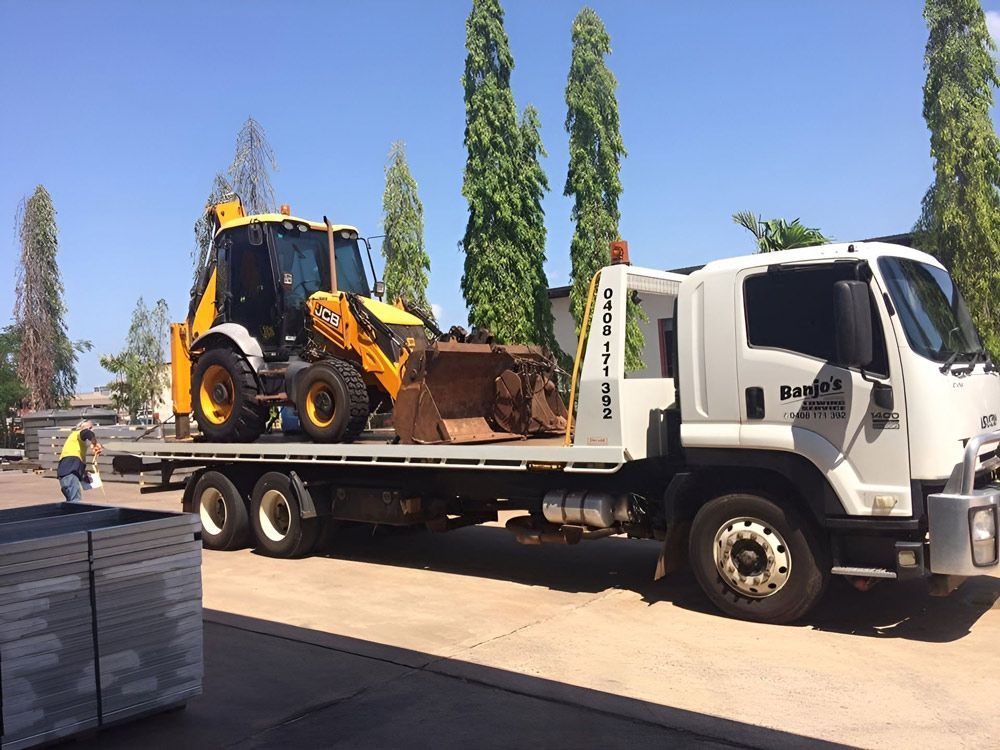
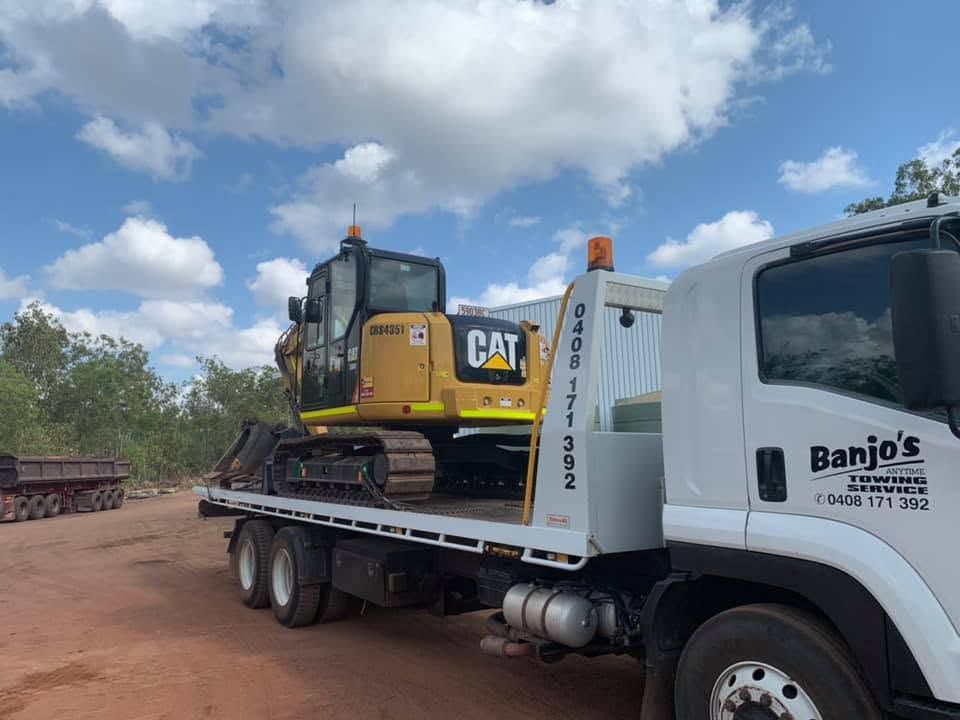
Heavy equipment relocation can cover a wide range of vehicles and machinery that cannot simply be driven from one site to another. That may include excavators, skid steers, compact loaders, tractors, small harvesters, forklifts and other plant used across construction, agriculture and trade work. The exact transport method depends on the machine’s weight, dimensions, ground clearance and whether it can move under its own power. Attachments such as buckets, forks or implements can also affect the total transport dimensions.
Common relocation jobs may involve:
- Moving plant between construction or civil works sites.
- Relocating farm machinery between properties or storage areas.
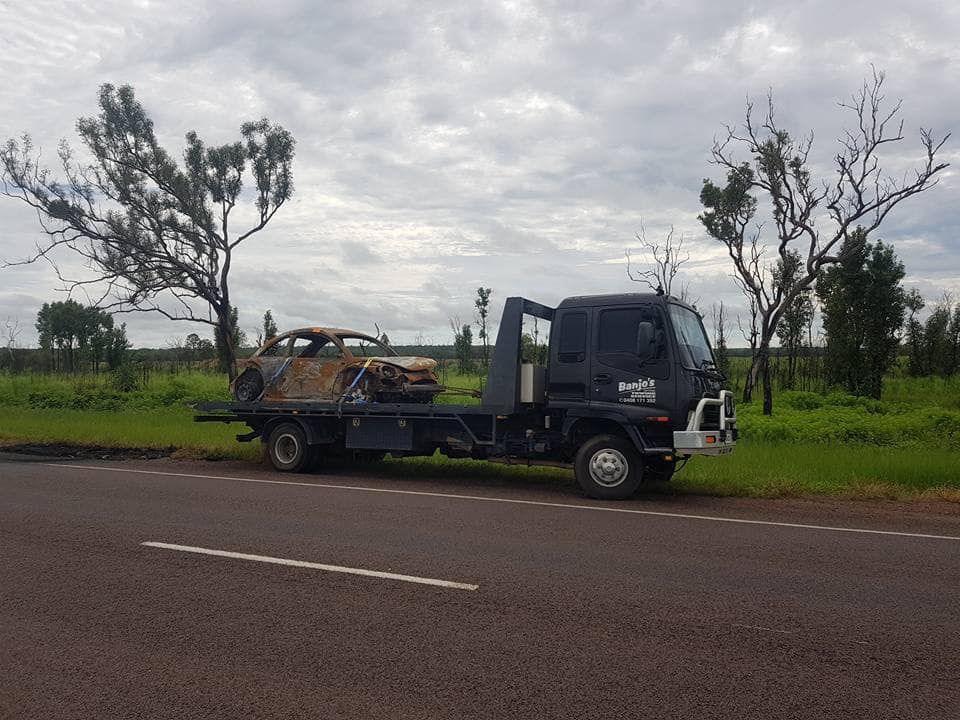
- Transporting non-running equipment to a workshop or repair facility.
A proper machine relocation starts with accurate equipment details so the operator can choose the right truck, tray and loading method.
How a Machinery Move Differs from a Standard Vehicle Tow
A standard car tow is usually relatively predictable because passenger vehicles fall within a narrower range of sizes and weights. Heavy machinery can vary much more, which means loading angles, attachment positions, tyre width and overall height all matter. Some machines can be driven onto a tilt tray, while others may need winching or a different transport setup. Weight distribution also matters because the machine must sit correctly on the tray before the journey begins.
A machinery move usually requires closer attention to:
- The machine’s operating weight and dimensions.
- Whether attachments need to be removed or repositioned.
- How the load will be balanced and secured during transport.
Understanding how heavy-duty towing works behind the scenes helps explain why a machinery quote needs more detail than a simple pickup and drop-off address.
Permits & Load Securing Across the NT
Not every machinery move requires the same approvals, but larger or unusually wide loads can bring additional transport requirements into the picture. The dimensions and weight of the equipment may affect route planning, allowable travel conditions and whether extra controls are needed. Even when a permit is not required, the load still needs to be secured appropriately for the journey. This is especially important when travelling over longer distances or roads where conditions can change between sites.
Before transport begins, the key considerations are:
- Whether the machinery fits within normal transport dimensions.
- Which restraints and tie-down points are suitable for the load.
- Whether the planned route has any access or clearance limitations.
Correct securing is especially important on longer NT runs, where road conditions and travel distance can place more stress on the load.
Tilt Tray Capacity & Choosing the Right Equipment
Tilt trays are useful for many machinery transport jobs because they allow plant and equipment to be loaded directly onto the tray. However, not every tilt tray is suitable for every machine. Tray length, carrying capacity, loading angle and the location of the machine’s centre of gravity all need to be considered before the job is booked. Equipment with low ground clearance or unusual dimensions may also need a more carefully planned loading approach.
Choosing the right setup means checking:
- The machine’s total weight, including attached implements.
- Its width, height and length in transport configuration.
- Whether it can drive onto the tray or requires winching.
For towing in Darwin, supplying these details early helps avoid sending equipment that is undersized or poorly suited to the job.
Planning a Relocation Between Remote Sites
Remote machinery transport can involve more than a long drive. Site access may be rough, narrow or affected by seasonal conditions, while fuel, turnaround space and loading areas may be limited. A truck that can reach a suburban worksite easily may face very different conditions at a rural property or remote construction location. Giving the operator clear information about gates, track conditions and turning areas can help prevent avoidable access problems.
Good planning should cover:
- The condition and width of access roads at both ends.
- Whether there is enough room for the truck to turn and load safely.
- Any timing considerations linked to weather or site access.
These factors become particularly important for agricultural machinery transport, where equipment may need to move between working properties rather than sealed-road depots.
When to Call in a Professional Operator
Machinery relocation becomes more complex as weight, size and access limitations increase. If you are unsure whether the equipment can be moved on a standard tilt tray, whether the site is suitable for loading or whether the machine needs special handling, it is better to discuss those details before transport is arranged. A professional operator can also identify potential issues with access or loading that may not be obvious from the machine specifications alone.
Professional help is especially useful when:
- The machine is non-running or difficult to load.
- The route involves remote access or constrained sites.
- The equipment is unusually heavy, wide or fitted with large attachments.
For heavy machinery towing in Humpty Doo, discussing the machine and destination in advance can help determine the most practical transport setup.
Moving Heavy Equipment with Fewer Surprises
Heavy machinery transport works best when the operator has accurate information before arriving on site. Dimensions, weight, access, running condition and destination all influence how the job should be handled. For farmers, tradies, construction crews and equipment owners arranging towing in Darwin, providing those details upfront can make the relocation smoother and reduce avoidable delays. It can also make quoting more accurate by giving the operator a clearer picture of the equipment and site conditions involved.
We at Banjos Towing Darwin assist with plant, machinery and agricultural equipment moves across Darwin and surrounding NT areas. If you need equipment relocated between worksites, farms, workshops or remote properties,
contact us with the machine details, pickup location and destination so the right transport setup can be arranged.